
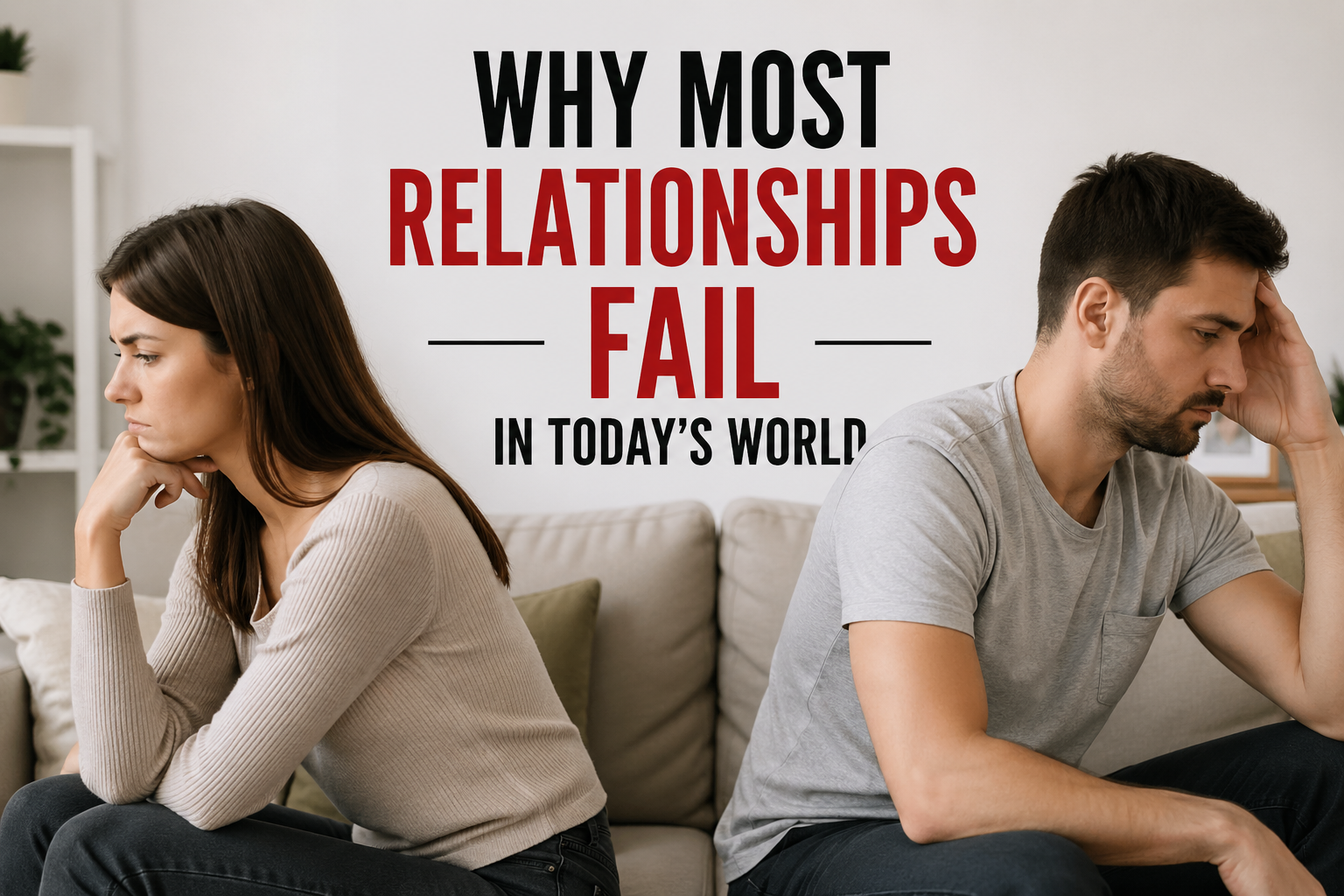
In today’s fast-paced and digitally connected world, relationships have completely changed. People can meet, talk, and connect with someone within minutes through apps and social media. While this has made dating easier, it has also made relationships more fragile. Many connections start quickly but don’t last long.
The reality is that relationships today face more challenges than ever before. From emotional misunderstandings to unrealistic expectations, there are many reasons why relationships fail. Understanding these reasons can help people avoid common mistakes and build stronger, healthier connections.
1. Lack of Communication
One of the biggest reasons behind failed relationships is poor communication in relationships. Many couples struggle to express their feelings openly. Instead of talking about problems, they ignore them or expect their partner to “just understand.”
This leads to confusion and emotional distance. When communication breaks down, even small issues start to feel bigger. Healthy relationships always depend on honest conversations, active listening, and clear expression of thoughts.
2. Unrealistic Expectations
Another major issue is unrealistic relationship expectations. Social media and movies often show a perfect version of love, which creates the perfect relationship myth.
People start expecting their partner to always be available, always understand them, and never make mistakes. But in reality, no relationship is perfect. When expectations are too high, disappointment becomes unavoidable, leading to frustration and conflict.
3. Social Media Pressure
The rise of social media relationships has added new challenges. People constantly compare their relationships with others online, which leads to unhealthy relationship comparison.
Seeing happy couples on Instagram or TikTok can create insecurity. People forget that social media only shows the best moments, not the real struggles. This comparison can slowly damage satisfaction in a relationship.
4. Trust Issues
Trust is the foundation of every relationship, yet trust issues in relationships are very common today. With constant online activity, people often overthink small things like messages, followers, or likes.
Lack of trust creates doubt, jealousy, and arguments. Once trust is broken, it becomes very difficult to rebuild, and many relationships fail because of it.
5. Emotional Immaturity
Many people enter relationships without developing proper emotional maturity. They may not know how to handle disagreements, control their reactions, or understand their partner’s emotions.
Without essential healthy relationship skills, even small conflicts can turn into major problems. Emotional maturity helps partners support each other instead of hurting each other during difficult times.
6. Fear of Commitment
The growing fear of commitment is another reason relationships fail. Many people want love but are afraid of long-term responsibility.
These modern dating problems lead to situations where people avoid defining the relationship. This creates confusion, insecurity, and emotional imbalance, which eventually causes the relationship to break.
7. Poor Conflict Resolution
Conflicts are normal in every relationship, but poor conflict resolution in relationships makes things worse. Instead of solving issues calmly, people often argue aggressively or ignore problems completely.
Unresolved conflicts build up over time and create resentment. Healthy couples learn how to discuss problems respectfully and find solutions together.
8. Lack of Effort
Relationships require continuous effort in relationships from both partners. However, many people stop trying after the initial excitement fades.
When effort disappears, emotional connection weakens. Partners may start feeling unimportant or neglected, which leads to distance and eventually separation.
9. Lack of Compatibility
Sometimes relationships fail because of poor relationship compatibility. Two people may care about each other, but their goals, values, and lifestyles may not match.
For example, differences in career priorities, family expectations, or life goals can create long-term problems. Compatibility plays a key role in maintaining a stable relationship.
10. Overthinking
Excessive overthinking in relationships is a silent but powerful problem. People analyze every small detail, from text messages to tone of voice.
This creates unnecessary stress and misunderstandings. Overthinking often leads to arguments based on assumptions rather than reality, damaging trust and peace.
11. Lack of Boundaries
Healthy relationship boundaries are essential for respect and balance. Without boundaries, people may feel controlled, disrespected, or emotionally drained.
Boundaries help both partners maintain individuality while staying connected. Ignoring this can lead to frustration and emotional burnout.
12. Moving Too Fast
Modern fast relationships often start with strong attraction and emotional intensity. People share personal details quickly and become attached in a short time.
However, without a strong foundation, these relationships struggle to survive. When the excitement fades, partners realize they don’t truly understand each other.
13. Past Trauma
Unresolved relationship trauma from previous experiences can negatively affect current relationships. People may carry trust issues, fear, or insecurity from the past.
If these issues are not healed, they create problems in new relationships, even when the partner has done nothing wrong.
14. Lack of Respect
Love alone is not enough—respect in relationships is equally important. When respect is missing, it shows through behavior like ignoring feelings, using hurtful language, or taking the partner for granted.
Without respect, emotional connection weakens, and the relationship becomes unhealthy.
15. Confusion Between Love and Attraction
Many people don’t understand the difference between love vs attraction. Attraction is often temporary and based on physical or emotional excitement.
Love, on the other hand, is deeper and long-lasting. Confusing the two leads to relationships that start strong but don’t last.
Conclusion
The truth is that relationships fail not because of one single issue, but due to multiple small problems that grow over time. In today’s world, maintaining a relationship requires patience, understanding, and effort.
Focusing on communication in relationships, building trust, showing respect, and developing emotional maturity can make a huge difference. People who understand these factors are more likely to build strong, healthy, and long-lasting relationships.
In the end, a successful relationship is not about finding a perfect person—it’s about growing together, understanding each other, and putting in the effort every day.